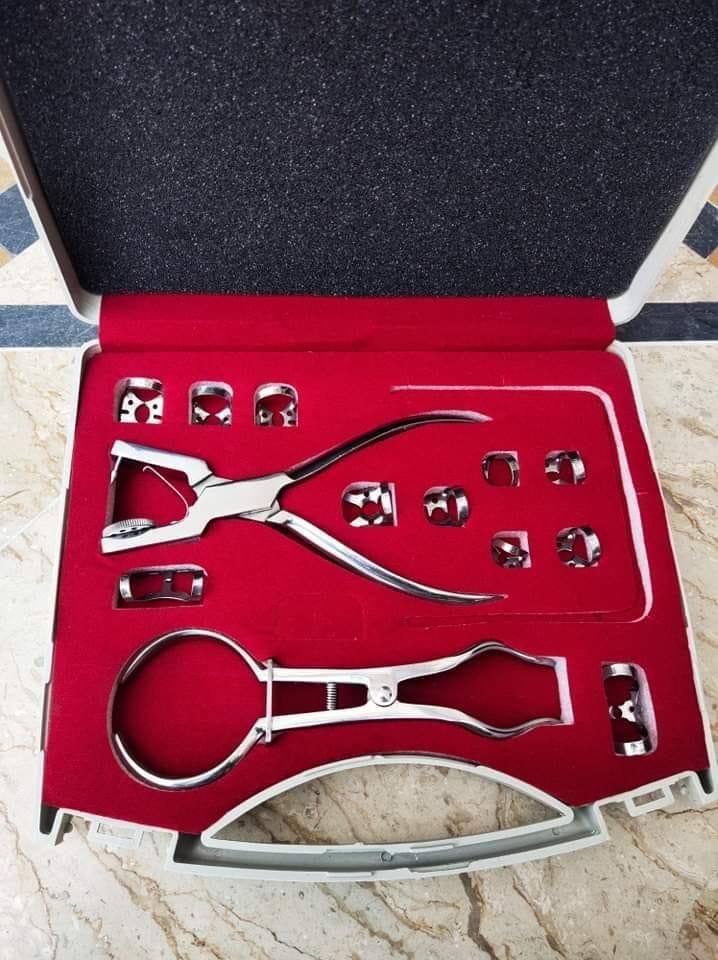
In the United States, the dental rubber dam kit—a critical tool for moisture control and infection prevention—faces distinct challenges from both the buyer’s (dentist/clinic) and seller’s (manufacturer/distributor) perspectives. While it is considered the “gold standard” for procedures like root canals, its routine adoption is often hindered by practical and economic barriers.
Buyer Pain Points (Dentists & Specialists)
For dental professionals, the primary pain points center on clinical efficiency and patient management:
- Time and Technical Difficulty: Many practitioners view rubber dam placement as a “waste of time” compared to other isolation methods. Initial mastery of the system requires a learning curve, and the time needed for application can lead to longer appointment times, particularly for inexperienced clinicians.
- Seller Pain Points (Manufacturers & Distributors)
- Patient Resistance and Comfort: A significant barrier is the perception that patients dislike the device. Common patient complaints include feelings of claustrophobia, discomfort from the metal clamps (which can cause pressure or gum trauma), and difficulty breathing. For pediatric patients, up to 80% report pain and anxiety during clamp placement.
- Material Limitations: Buyers frequently struggle with the tearing of rubber sheets during punching or placement. Additionally, latex allergies require clinics to stock more expensive non-latex (nitrile or vinyl) alternatives.
- Equipment Durability and Safety: Metal clamps are prone to corrosion from repeated sterilization or may fracture during use, posing an aspiration or ingestion risk to the patient.
- Sellers face a different set of obstacles rooted in market education and supply chain logistics:
- Low Market Penetration: Despite being taught in almost all U.S. dental schools, only a small percentage of dentists (approximately 5% by some estimates) use rubber dams routinely outside of endodontics. This creates a limited “replacement” market, as many kits are purchased once as a student and rarely updated.
- High Competition and Price Sensitivity: The market is saturated with both high-end brands like Coltene and budget-friendly starter kits ranging from $24 to over $125. Sellers must balance offering high-quality, autoclavable German stainless steel with the buyer’s demand for low-cost consumables.
- Regulatory and Supply Chain Hurdles: While not currently on the FDA’s critical shortage list, medical device sellers in the U.S. must navigate stringent FDA, ISO, and CE standards to ensure product safety. Maintaining a consistent supply of varied clamp sizes (e.g., #14A for molars, #212 for anterior teeth) is essential but logistically complex.
- Educational Gap: Sellers often have to act as educators, hosting webinars or providing live demonstrations to help new users overcome the “clinical challenges” that prevent them from purchasing or using the kits.