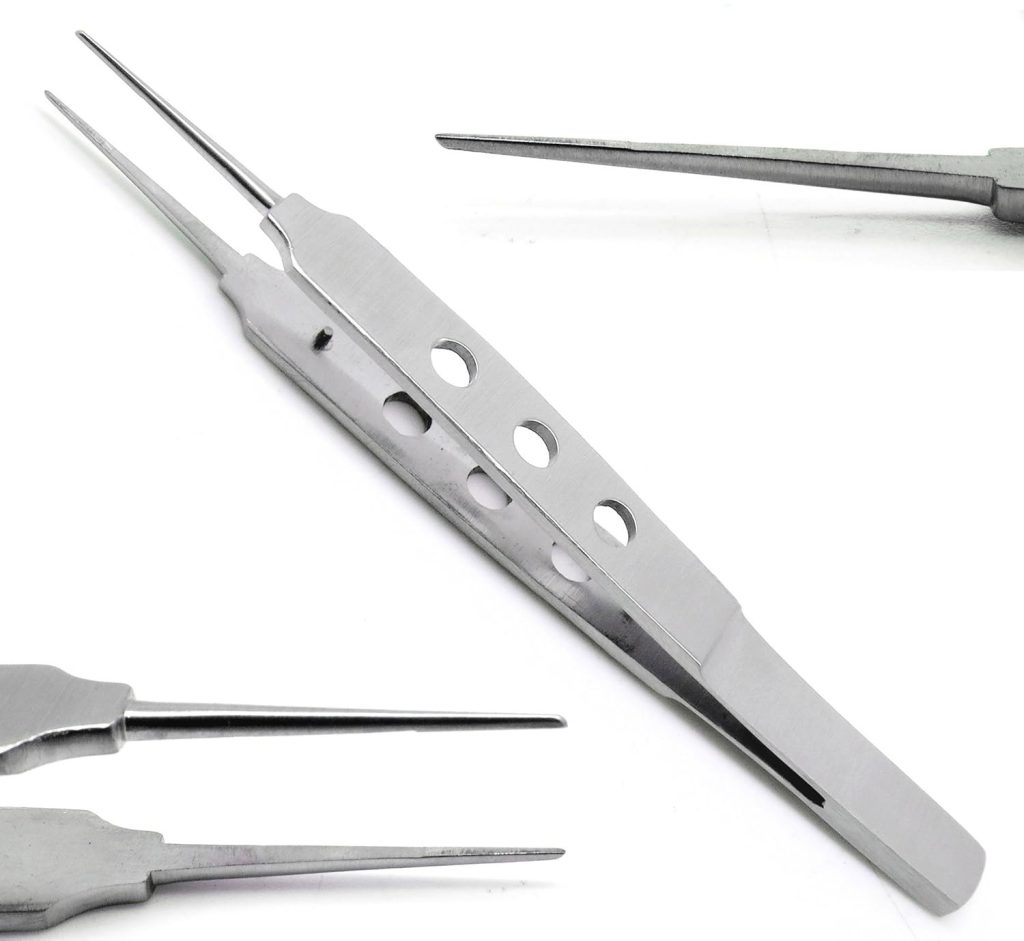

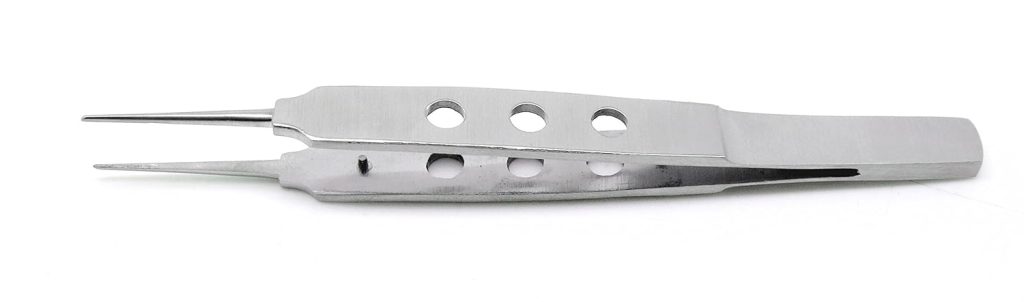

The McPherson Tying Forceps (4″ Straight, Smooth Jaws) by Jaakai Surgical is a premium micro-surgical instrument engineered specifically for delicate ophthalmic procedures, primarily suture manipulation and tying. Manufactured to meet strict global medical department standards, this instrument provides the precise tactile feedback, material integrity, and ergonomic control required in microsurgery.
Below is a detailed breakdown of its design, utility, material composition, and compliance standards.
Instrument Overview and Key Specifications
- Product Name: McPherson Tying Forceps
- Manufacturer: Jaakai Surgical
- Overall Length: 4 inches (approximately 10.2 cm)
- Tip Configuration: Straight, fine, smooth tying platforms
- Application: Ophthalmic surgery, micro-suture tying (typically 8-0 to 11-0 sutures)
- Material: Premium surgical-grade stainless steel (corrosion-resistant)
1. Architectural Design and Surgical Utility
The core function of the McPherson forceps is to grasp and tie incredibly fine suture threads without fraying or cutting the material.
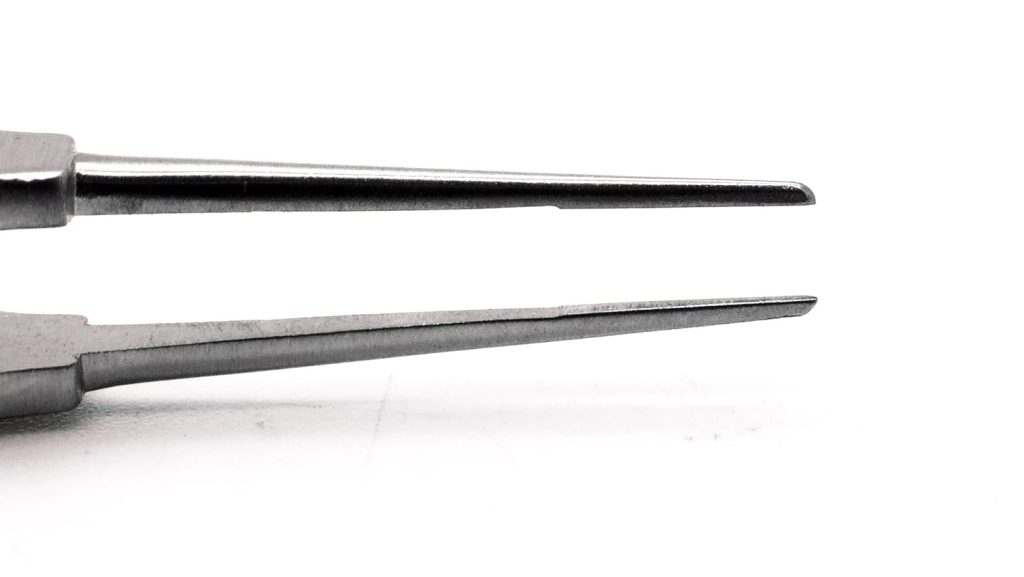
- Smooth Tying Platforms: Unlike standard forceps that feature serrated teeth or ridges, these forceps have smooth, flat platforms at the very tips. Serrated tips can crush or tear ultra-fine ophthalmic sutures (such as 10-0 nylon). The smooth surface provides a secure, friction-based grip that holds the suture firmly during knot tying while preventing structural damage to the thread.
- Straight 4-Inch Chassis: The 4-inch length is the standard compact size for ophthalmic instruments. It fits comfortably within a surgeon’s hand, resting naturally in the web of the thumb. The straight orientation offers a direct line of sight and linear approach to the surgical field, which is critical when working under a surgical microscope.
- Fine Tips: The microscopic precision of the tips allows the surgeon to pick up microscopic suture ends easily within the tight anatomical confines of the human eye, such as the cornea or conjunctiva.
2. Ergonomics and Tactile Feedback
Microsurgery demands extreme stability. The McPherson forceps by Jaakai Surgical feature a wide-flat handle design, often enhanced with longitudinal grooves or a dull satin finish.
- Anti-Slip Grip: The texturing on the handles ensures that the instrument does not slip, even when handled with wet surgical gloves.
- Spring Tension: The built-in spring tension of the handle is calibrated precisely. It requires minimal force to close the tips, reducing hand fatigue during long procedures, yet provides enough resistance to spring back instantly when pressure is released. This balance gives the surgeon exceptional tactile feedback, allowing them to “feel” the tension of the suture knot.
3. Premium Material and Manufacturing Standards
Jaakai Surgical manufactures these instruments from high-grade surgical stainless steel. This material composition is critical for several reasons:
- Corrosion Resistance: The steel is highly resistant to bodily fluids, saline solutions, and harsh chemical sterilization processes.
- Durability and Hardness: The tips undergo localized hardening to ensure they do not bend, misalign, or dull over time, preserving the perfectly parallel closure of the tying platforms.
- Satin/Dull Finish: The instrument surface is finished to reduce glare under intense operating room theater lights and surgical microscopes, protecting the surgeon from eye strain.
4. Medical Department Standards and Compliance
When an instrument is built “according to all standards of medical departments,” it fulfills rigorous quality management and safety criteria:
- ISO 13485 Compliance: The manufacturing facilities adhere to international standards for medical device quality management systems.
- Sterilization Compatibility: The materials and construction allow the forceps to undergo repeated autoclave cycles (steam sterilization) and chemical sterilization without structural degradation.
- Passivation Process: A chemical passivation bath removes free iron from the surface of the stainless steel, forming a protective chromium oxide layer that prevents rusting and pitting.