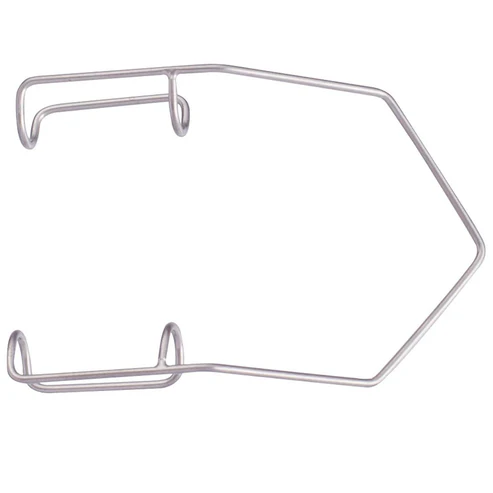
Jaakai Surgical Manufacturer addresses the material quality concerns of USA buyers for the Barraquer Wire Speculum by leveraging its location in Sialkot, Pakistan—a global hub for ophthalmic instrument manufacturing—and using premium surgical-grade materials.
Solving Material Problems for USA Buyers
USA buyers often face issues with instrument durability, corrosion, and sterilization fatigue. Jaakai Surgical provides solutions through:
Beauty Teck
- Premium Raw Materials: They use high-quality German Stainless Steel (typically AISI 410, 420, or 440) for their Barraquer Speculums. This material ensures the instrument can survive repeated autoclave sterilization without losing structural integrity or developing rust.
- Corrosion Resistance: To meet the strict hygiene standards of US healthcare facilities, instruments undergo a passivation process. This chemical treatment removes free iron from the surface, creating a protective oxide layer that prevents corrosion and stains even in high-moisture environments.
- Structural Precision: The Barraquer Wire Speculum requires a delicate balance of flexibility and strength. Jaakai solves the “wire-snapping” or “deforming” problem by engineering a V-shaped spring mechanism that maintains consistent tension across thousands of uses.
- Satin and Bright Finishes: To reduce glare during surgery—a common complaint from surgeons using high-intensity microscopes—they offer satin finishes. This ensures optimal visibility without the distracting reflections found on cheaper, highly polished instruments.
- Key Specifications & Benefits
| Feature | Solution Provided | Buyer Benefit |
| Material | German Stainless Steel | Exceptional durability and long life |
| Finish | Satin / Non-Reflective | Reduced glare under surgical lights |
| Cleaning | Fully Autoclavable | Reliable infection control |
| Design | Ergonomic V-Shape | Patient comfort and ease of insertion |
Quality Assurance and Compliance
For USA buyers, regulatory compliance is non-negotiable. Jaakai Surgical aligns with international standards such as ISO 13485 and CE Marking, which provides verification of their quality management systems. By offering batch testing reports and raw material certificates upon request, they provide the transparency required by US hospitals and distribution networks to ensure patient safety and minimize the risk of device-related complications